
































Introducing a new puppy to your current dog is often an exciting process, and many dogs will become fast friends and eas...
Read MoreAdopt Me
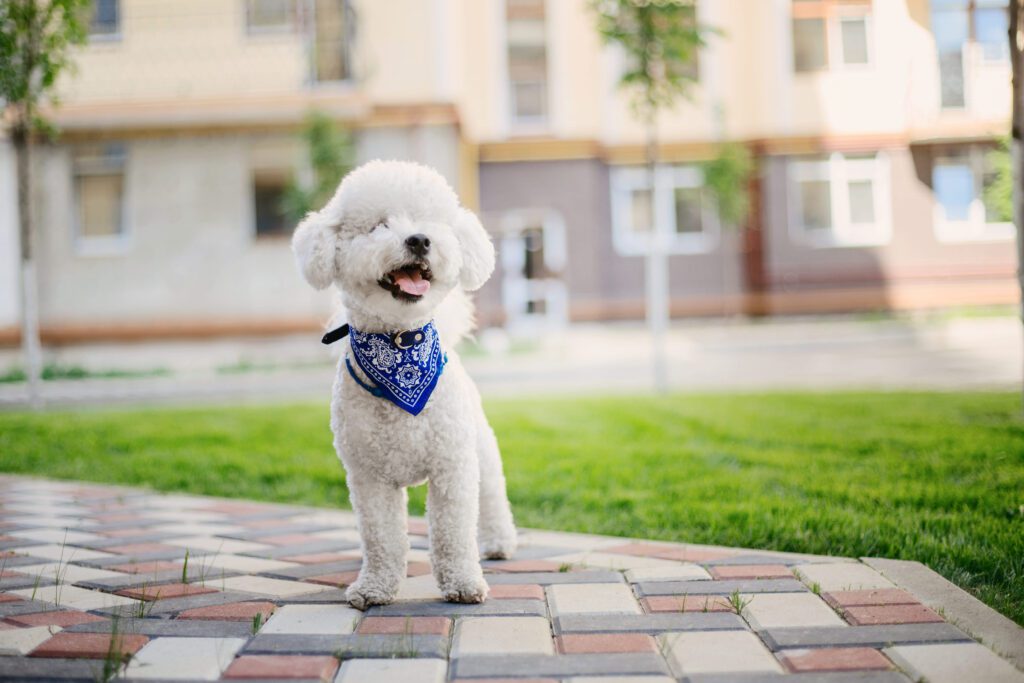

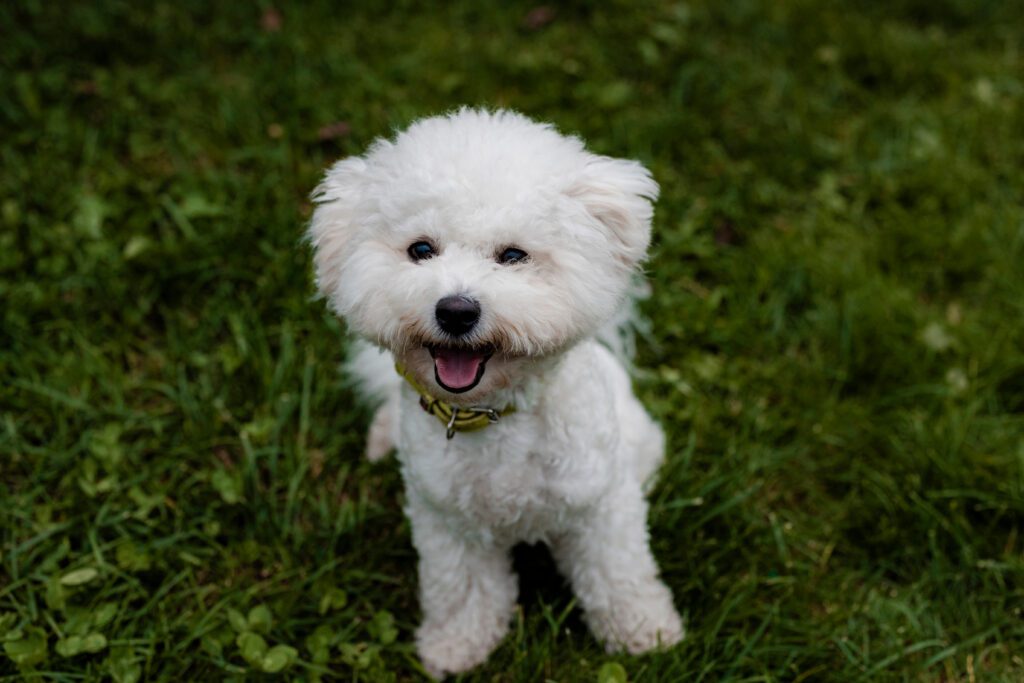
The Bichon Frise is a cheerful, affectionate, and playful companion that thrives on attention and daily interaction. The soft, curly coat sheds very little, which helps many allergy-sensitive households. The breed bonds closely with people, enjoys gentle children, and suits seniors or first-time adopters who want a friendly housemate with bright energy.
Research is essential before adoption. The Bichon Frise needs consistent grooming, daily exercise, and steady companionship. Adoption is preferable to buying because adoption gives a deserving dog a second chance and often includes health records and post-adoption support. North Dakota offers wide-open spaces and quiet neighborhoods that suit short, cheerful walks and indoor play. The climate brings cold winters with snow and wind, so a warm coat, paw protection, and brief outdoor sessions help the small dog stay safe. Summers can feel warm on sunny days, so shaded walks and fresh water keep outings comfortable.
The Bichon Frise adapts well to apartments and single-family homes as long as the dog lives indoors. Rural life in North Dakota can be peaceful, yet supervision is important due to wildlife and rough terrain. The breed does best with predictable routines, short training sessions, and mental games on days when weather limits outdoor time.
You can skip searching rescues and shelters one by one by browsing adoptable dogs through Dog Academy. Dog Academy also provides educational guides and adoption checklists that help you prepare your home, plan your first week, and choose supplies with confidence. Using a single, trusted source saves time and keeps your search focused on the right fit.
In North Dakota, adoptable Bichon Frises appear through local animal shelters, regional rescues, and breed-specific rescue groups. Many organizations use foster-based programs that share detailed notes on temperament and daily needs. If a match is in a nearby state, rescues sometimes arrange transport to move dogs between locations. Transport is often coordinated by staff or volunteers who schedule safe travel, confirm a health certificate when required, and communicate pick-up details.
The process starts by browsing listings and reading each biography with care. After you identify a good match, you submit an application that includes personal references, proof of landlord approval when you rent, and information about your household and schedule. The organization reviews your application and may conduct a brief interview to confirm expectations. Approval can take a few days to a few weeks based on demand and staffing.
Next comes a meet-and-greet at a shelter, a foster home, or a neutral public space. Plan for all household members to attend so the group can confirm comfort and compatibility. Some groups complete a home check in person or by video to confirm safe fencing, secure doors, and a quiet area for rest. Once approved, you sign the contract, pay the fee, and receive medical records and microchip details. Bring a harness, a leash, and an identification tag on adoption day. Create a calm routine at home so the Bichon Frise can settle and build trust.
|
How Much Does It Cost to Adopt a Bichon Frise in North Dakota?In North Dakota, the typical adoption fee for a Bichon Frise ranges from $250 to $450. Fees trend toward the higher end for puppies, for dogs with extensive medical care, or for dogs that arrive with recent grooming and starter training. Fees trend lower for seniors or for dogs with ongoing medical needs that require special care. Age, training, medical care, and local demand influence the final amount. Most fees include spaying or neutering, vaccinations, microchipping, and veterinary exams. Many groups also include a heartworm test, a fecal test, and a recent grooming session. Some organizations invest in dental cleanings for small breeds with tartar buildup, which can raise the fee but reduce near-term expenses after adoption. |
How Should I Train a Bichon Frise?The Bichon Frise is intelligent, people focused, and eager to learn. Positive reinforcement with small treats, toys, and praise builds fast progress. Short sessions keep attention high and prevent frustration. House training can be challenging in cold North Dakota winters, so use a consistent schedule, a properly sized crate, and timely rewards for outdoor success. A covered potty area near the door can help during heavy snow or strong wind. Barking often appears when a Bichon Frise feels bored or lonely. Teach quiet on cue, add daily enrichment, and practice calm departures to reduce separation stress. Gentle handling exercises help the dog accept brushing, combing, and nail care. Early socialization with friendly people and polite dogs builds confidence. For structured support, explore Dog Academy’s online training courses, which offer step-by-step lessons, problem-solving guidance, and fun games that fit indoor days. |
|
The ideal adopter enjoys close companionship, can provide daily grooming and brushing, and has time for short walks and play. Families, retirees, and remote workers often provide the steady presence this breed loves. Preparation matters. A secure harness, a soft bed, and a simple routine help a new dog relax and learn quickly.
Take time to research, ask questions, and confirm the best match for your lifestyle. When you are ready to adopt a Bichon Frise in North Dakota, use Dog Academy to browse current listings, plan your budget, and start training with confidence. Patience today leads to a happy partnership for years to come.

Introducing a new puppy to your current dog is often an exciting process, and many dogs will become fast friends and eas...
Read More
Rescue dogs can make great companions and can transform your home into something better. These dogs make great pets and ...
Read More
You should never rush to pet a dog. Even dog owners make the mistake of approaching unfamiliar dogs and petting them rig...
Read More
Puppy mill dogs are survivors who have endured extreme hardships in their lives. They have grown up in horrendous, unsan...
Read More
With their wagging tails and comforting presence, adopting a dog can add a unique touch to your life. It’s a heart...
Read More
Older dogs may have a few gray hairs around the edges, but that doesn’t mean they can’t make wonderful companions! T...
Read More